.png)

Health
Should alcohol come with cancer warning labels?
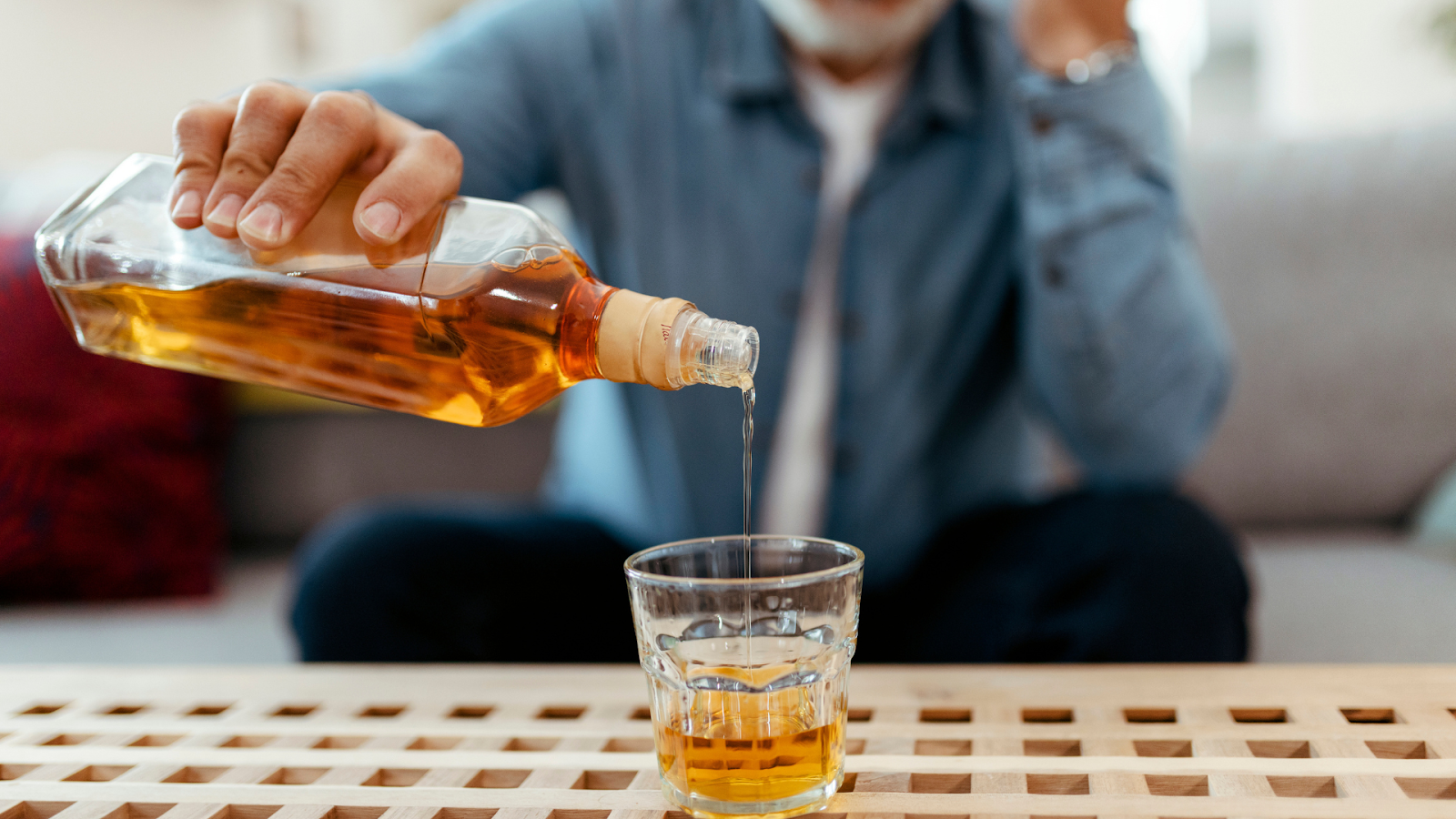
International medical bodies including the World Health Organization and the US Surgeon General are pushing for cancer warning labels on alcoholic beverages, but Big Alcohol keeps pushing back and winning. Here’s what they don’t want you to know…
By Sabrina Rogers
When I quit drinking alcohol nearly three years ago and people asked me why, I danced around the topic. I’d explain that I had trouble moderating my consumption or joke that I’d already had enough wine for three lifetimes. People often assumed I was an alcoholic, but I wasn’t.
It wasn’t until recently that I plucked up the courage to tell them the truth: drinking alcohol in any amount increases the risk of breast cancer and I was damned if I was going to keep ingesting the substance that may have been responsible for landing me in surgery (three times), chemo and radiation.
But I didn’t quit as soon as I was diagnosed or even during treatment. In fact, my drinking got worse during that time because it had always been my coping mechanism through trauma (and I was going through a simultaneous marriage breakdown, too). It was only when I started to emerge from the chemo fog, cancer-free, that I knew what I had to do to stay that way for myself and my three beautiful girls.
So, I started going to the gym almost every day and eventually quit the booze. It wasn’t an easy journey, but I’ve never felt stronger or healthier than I do today. And the best part is that I don’t have to live in fear my lifestyle habits will make the cancer come back.
When I gently tell people there’s a direct link between alcohol and breast cancer, they nearly always fall off their figurative chairs.
The researchers fighting for alcohol to carry cancer warning labels
Dr Claire Wilkinson is a member of UNSW’s Drug Policy Modelling Program and the World Health Organization’s Technical Advisory Group for Alcohol Labelling. Along with her UNSW colleague Dr Sarah Clifford, she’s pushing for alcohol to carry cancer warning labels in Australia.
“The evidence shows that alcohol is causally linked to at least seven types of cancer, including cancer of the breast [in women], liver, colorectum, oral cavity, oesophagus, pharynx and larynx,” says Dr Wilkinson. “We have known this since 1988 when the World Health Organization first declared alcohol a Group 1 carcinogen, which is the same category as tobacco.”
But a glass of red wine has health benefits, right? Sadly, no.
“All types of alcohol cause cancer – whether it’s beer, wine or spirits – and the quality of the product doesn’t make a difference,” explains Dr Wilkinson.
A 2023 meta-analysis of 106 studies found that even light drinking (between 0 and 1.24 standard drinks a day) was significantly associated with higher risks of oesophageal, colorectal, prostate and breast cancers while light to moderate drinking (between 1.25 and 2.49 standard drinks daily) increased the risk of all these cancer types as well as cancer of the larynx.
Heavy drinking (5 or more standard drinks a day) was found to further escalate the risk of all these cancers, plus stomach, liver and pancreatic cancer.
Faced with this undeniable evidence, both the World Health Organization and the US Surgeon General issued reports in 2025 calling for clear cancer warning labels on alcohol.
Do cancer warning labels work?
“We evaluate the effectiveness of labelling through a number of outcomes with the main one being awareness and knowledge,” says Dr Wilkinson. “Studies often measure people’s knowledge of health risks before and after labels are introduced and we may also ask people to self-report whether they've had conversations about the harms.
“Another way to evaluate its effectiveness is through behavior change. If we can get our hands on sales data, we can see how effective labelling has been in reducing alcohol sales.
“There’s also a huge body of evidence around the effectiveness of tobacco labelling that can be applied to alcohol, but the alcohol industry often pushes back by saying they’re not the same.”
A study conducted in Yukon, Canada found that applying labels to alcohol that included a cancer warning or messaging about standard drinks reduced total per capita alcohol sales by 6.31% and sales of labelled products by 6.6%. The labels were also found to increase consumer awareness of the health risks of alcohol by 10%.
These results are particularly compelling when you consider that the intervention was cut short after just 4 weeks because alcohol lobbying groups challenged the validity of the research and the government’s right to apply the labels.
Similarly, Ireland was set to be the first European country to roll out warning labels in 2026 - stating “There is a direct link between alcohol and fatal cancers” – but the alcohol industry managed to pressure the government to put it off until at least 2028. The industry’s main argument was that the labels would negatively impact Ireland’s competitiveness on global markets, especially amidst the threat of US tariffs.
The only country to have successfully implemented cancer warning labels on alcohol is South Korea, but the legislation implemented in 2016 contains a major loophole. Manufacturers can choose between three different warning labels – one of which doesn’t mention cancer at all.
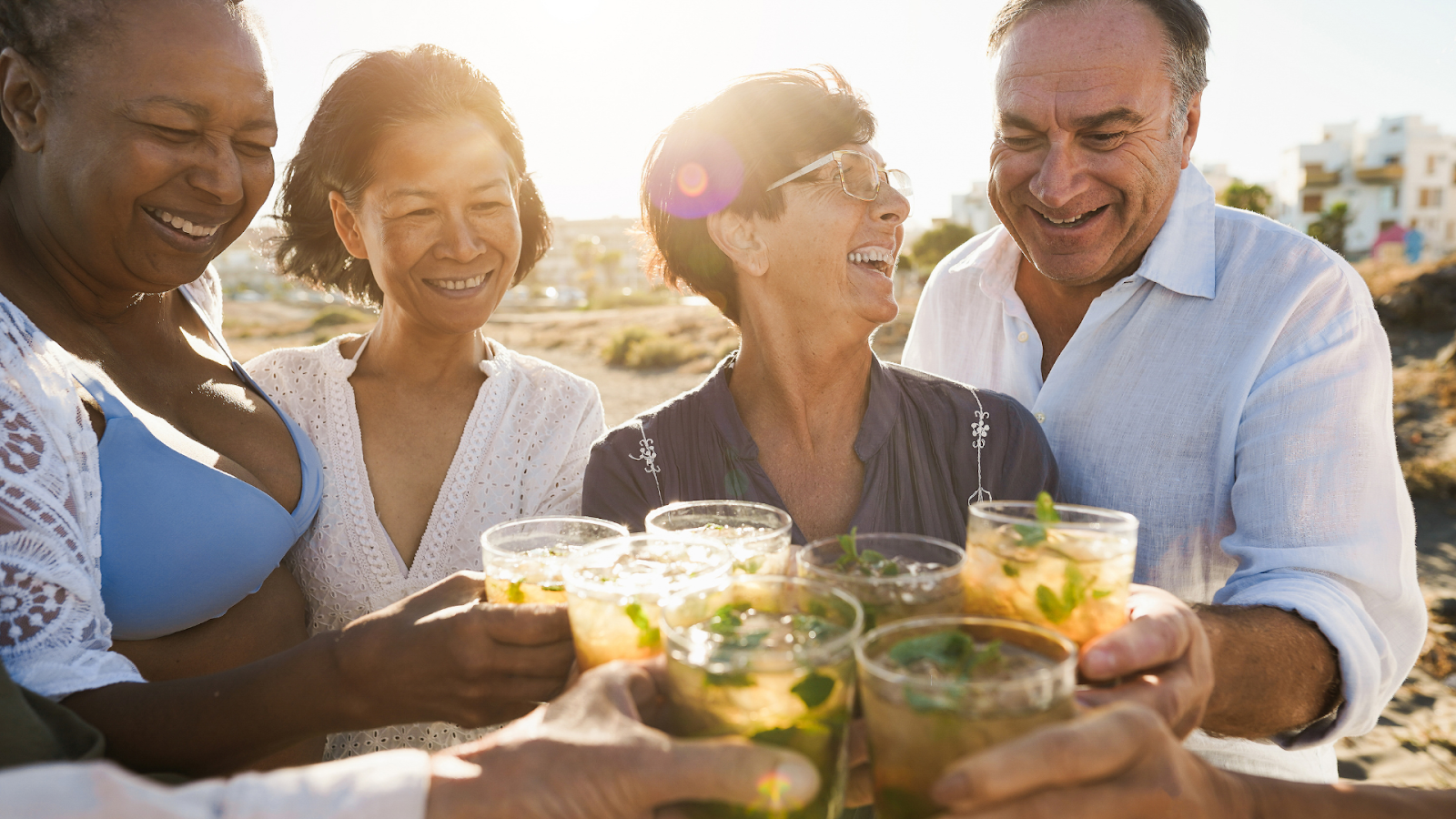
It's time to raise awareness
“Cancer warning labels are one tactic in a broader suite of measures that should be implemented to reduce alcohol consumption at the population level,” says Dr Wilkinson. “But labels are particularly useful because they’re dose-responsive, which means a person who drinks more sees the label more.”
“It’s still possible to avoid label messages when alcohol is poured into a glass at a bar or club, but it’s estimated that 80% of alcohol consumed is from purchases made at bottle shops, so the vast majority of drinkers will see the labels. Messages on radio, TV or billboards might be seen by people who watch TV more or drive more, but label viewing is linked to consumption level.
“The bottom line is alcohol causes cancer and not many people are aware of it. Consumers have the right to know and labelling is an effective way to communicate that.”
Need support to cut down or quit?
There’s no shame in needing help to change your relationship with alcohol. Here are several free resources:
- Talk to your GP: Be honest about your habits so you can get the help you need.
- Hello Sunday Morning: Check your drinking in just five minutes with My Drink Check and download the Daybreak app to join a supportive community and take back control.
- Alcohol and drug helpline: Call 0800 787 797, 24 hours a day, 7 days a week, to speak with a trained counsellor.
Feature image: iStock/PixelsEffect
The information on this page is general information and should not be used to diagnose or treat a health problem or disease. Do not use the information found on this page as a substitute for professional health care advice. Any information you find on this page or on external sites which are linked to on this page should be verified with your professional health care provider.
More paths to better health: