.png)

Money
Automate your finances: The easiest way to get your money moving in the right direction

Automating your money sounds easy, yet most of us still grind away doing it all by hand. Here’s how to hand the boring bits over to your suppliers so your bills get paid, your savings grow and hopefully your stress levels drop.
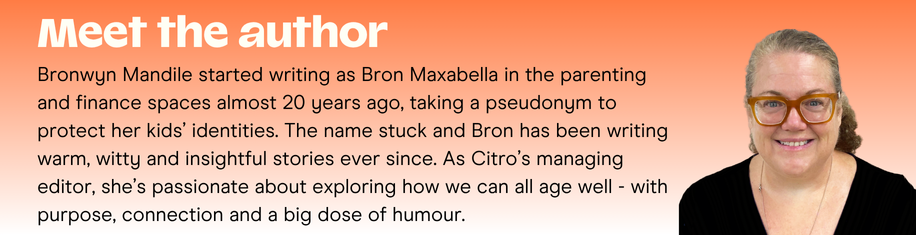
By Bron Maxabella
You’ll have heard it many times: automate your finances to really get ahead. But what exactly does that mean, and why does it matter so much?
“When things are time consuming or difficult to do they don’t get done often, especially when it comes to our own finances,” says Darren Johns, founder of Align Financial and a previous AFA Adviser of the Year. “Setting things up which are done without thinking or manual intervention will result in them getting done every time, on time.
“Automating tasks lets you spend more time doing things you enjoy.”
Why you should automate your finances
“Directing your money to go to which account is a game-changer as finally, you will be in control of the direction of your money,” says John Cachia, founder and strategic wealth adviser at AFA Group Wealth.
The benefits of automating your money are:
- It’s ‘set and forget’ – you set it up once and you know it’s done
- Temptation is removed – your money is already allocated so it’s not waiting to be spent
- Money is regularly allocated to savings – building your safety net
- Bills are paid on time – you avoid late fees and keep your credit score healthy
- Investments are stable – regular investments reduce the impact of market volatility (see dollar-cost averaging)
- It’s a time saver – your monthly money management is much simpler
- Your money mindset changes – once you automate, you take care of your financial security first.
“Pay yourself first,” advises Johns. “Have a regular amount of income set aside for fun money/personal spending. Then if you see something you want to do/have, you have a set amount of money to spend without dipping into savings or thinking ‘can I afford it?'”.
So, that neatly answers the question of why you should automate your finances. The other important question is how to automate your finances.
The key areas you should consider automating are:
- Rent
- Mortgage
- Credit cards
- Buy Now Pay Later debts (BNPL)
- Utility bills
- Loans
- Savings
- Investments
- Retirement savings
- Insurance premiums
Let’s take a look at how to set up automatic payment for each of these areas.
1. Rent
Your rental costs are too important to risk going into arrears.
To avoid the stress of falling behind on your payments, automate them. Depending on what payment arrangement you have with your landlord or property manager, the best way to do this is generally to arrange a direct debit for the rent amount. This will automatically take your rent from your account on the day it’s due.
If a different day for payment suits you better, you can arrange for that to happen, but only if you pay in advance of the due date of your rent. So, if rent is due every second Tuesday, but you get paid on Wednesdays, it might be easier to set your direct debit to come out the day after you get paid. That way you know the funds will always be in your account. There is also less ‘temptation time’ to have to steer through before your rent is due.
If you do decide to change the day you pay your rent, make sure you pay an extra week in advance, so you’re always ahead. It will hurt the first time you set it up, but you’ll be grateful at the end of your tenancy when you are three weeks ahead, rather than two.
2. Mortgage
Direct debit repayments are generally set up by the bank at the beginning of your mortgage.
If you have a variable rate home loan, you’ll need to decide whether you want your direct debit repayments to vary when interest rates go down.
Obviously your payments will go up when interest rates rise, but when they go down, you have a choice. If you keep your repayments at the higher interest rate, you’ll effectively pull ahead on your loan.
You can also still make additional repayments outside of your direct debit to get ahead. Either that, or hold any extra mortgage money in a home loan offset account.
Remember, like most of your ongoing utilities, insurances and bank accounts, try not to slip into full “set and forget” mode with your mortgage. Set it up, absolutely, but also set yourself a reminder every 6-12 months to check whether you’re still on a good deal or quietly overpaying – loyalty tax is definitely a thing.
More tips for paying off your home loan faster: Floor the accelerator and pay off your mortgage in the next 7 years
3. Credit cards
This is something to really focus on when you automate your finances. That’s because paying your minimum credit card balance late can trigger a number of hefty penalties. You might be charged a late payment fee; interest on all transactions incurred during the transaction period; you’ll forgo your interest-free period if you don’t pay your balance off in full; you may lose any reward points you’ve accrued.
“Set up a direct debit to pay off your credit card monthly. There is no benefit in having credit card debt if you have savings or a line of credit,” says Johns.
The way to truly get ahead, however, is to make your automatic payment more than the minimum each month. With a bit of luck, you can pay your credit card off in full, but any extra repayments will save you plenty of money in interest.
These articles can help you sort your debt:
4. BNPL
Unlike mortgages, personal loans, credit cards, consumer leases and payday loans, BNPL services are not subject to the same protections under the CCCFA (Credit Contracts and Consumer Finance Act).That’s because BNPL services charge ‘fees’, rather than ‘interest’.
BNPL can therefore use marketing tactics like automatic credit increases that were banned for credit cards years ago via the NCC. The BNPL model almost encourages spending and over-commitment.
It’s way too easy to rack up a significant number of BPNL purchases without realising the debt you’re incurring that needs to be paid on time. If you make several BNPL purchases, you’re suddenly juggling multiple payments, all of which incur a late payment fee if you don’t pay on the due date. Those fees can add up really quickly when you have more than one BNPL account.
So, to avoid nasty late payment fees, automate. When you have an instalment due, they will notify you beforehand so you can make sure you have enough in your account to pay. You can also enter a ‘back up’ credit card that the payment will default to if there is not enough in your primary account. Be careful of using this option, however. BNPL services might not charge interest, but your credit card certainly does…
Most BNPL services will automate your payments when you purchase through them. Find out how to make changes to that automation here:
5. Utilities
If you haven’t arranged for automatic payments for your power and water bills yet, now is the time. While NZ law prevents your water from being cut off entirely, providers can restrict your flow to a trickle - and power companies certainly can disconnect your service. Beyond the cold showers, a default can leave a 'black mark' on your credit score that lasts for five years. It’s a headache you definitely want to avoid like the plague!
Read this too: 4 steps to get on top of your household bills permanently
Much like your home loan, don’t just ‘set and forget’ your utility payments. Every 6-12 months it’s a good idea to compare your costs with what else is in the market.
6. Loans
Personal and car loans can be a bit too easy to forget to pay, so don’t forget about them when you automate your finances. Fortunately, most institutions will set you up a direct debit automatic payment plan when you take out your loan.
If you think you’ll struggle to meet your repayments, talk to your loan manager as soon as possible. There are penalties involved when an automatic payment can’t happen because you haven’t got enough money in your account. This is usually both a late payment fee charged by your loan provider, plus a dishonour fee charged by your bank.
Don’t be tempted to use a credit card to pay off your personal loans. The interest charged will be much higher than the loan rate and you’ll just get more and more over your head. Your basic “robbing Peter to pay Paul” scenario, where Peter is actually much scarier than Paul.
There are options to pay smaller amounts more regularly, review your interest rate, or extend your loan period (thereby reducing the minimum amount due each month). If you find yourself drowning in debts you feel you can’t pay, don’t panic. Instead, reach out to the MoneyTalks on 0800 345 123
7. Savings
Everyone needs a money buffer, but saving towards one can feel impossible due to, well, all of the above. Your housing, debts and utilities need to come first. Once they're paid, you’ve still got to be fed, clothed and entertained.
It’s little wonder that there’s usually nothing left in your account at the end of each month.
So, how can you build an emergency fund and save towards things you need and want?
The answer, of course, is: automate your finances and make saving a priority. The way to do that is to automatically take money you want to save out of your account at the beginning of each month.
“Make it hard for you to access the money you are not supposed to touch,” advises Cachia.
Yes, you’ll probably miss it, but you will adjust to life without it.
Even if you can only save $10 a week, it will eventually add up to something that looks like financial security.
- Work out a budget to see how much you can realistically tuck away each month
- Set up a separate account to hold your emergency fund (preferably one that offsets against your mortgage, if you have one)
- Schedule an automatic transfer from your everyday account to your savings account
- Don’t touch your savings account
The big debate is whether that $10 is better spent paying off your existing debts, but look at it this way. If you don’t have an emergency fund, you’re going to add to those debts every time something happens in your life. It’s better to plan for the ‘unexpected’, so you can take care of things without going into more debt.
Once you’ve built up a sufficient emergency fund, you can allocate your $10 (or more) towards paying off your debts faster. Once they’re paid off, put your money towards your investments (see below). That’s the way to really get ahead.
More tips for savers:
- 100 clever ways to save money and live a richer life
- 9 creative ways to save on your grocery bills
- How to save money when you make big purchases
8. KiwiSaver or other retirement savings
“Start a regular super contribution. The next time you get a pay rise, share half with your future self,” suggests Johns. For example, if you get a raise of $4,000 per annum, start making $2,000 per annum contributions and keep the remaining money as your wage.
“If you do this several times within the next five years, you’ll be making significant contributions without experiencing a reduction in your income,” Johns points out.
You can also make extra contributions out of your take-home pay.
Want to know more about KiwiSaver? Start here.
More ways to get ahead on your super:
- 6 reasons to become a raver about KiwiSaver
- Your 5 point checklist for future proofing your nest egg
- How much do I need to retire in New Zealand?
9. Investments
Now we’re getting into the big end of town. If you’re in a position to automate your investments, things are looking good.
Remember, you don’t have to be ‘rich’ to be ready to invest regularly. You just need to be savvy.
You can start automating your investments using very little cash through micro-investing.
Micro-investing means you invest very small amounts of money over time into an investment portfolio. This mostly takes the form of ’rounding up’ your existing transactions and investing the difference. To get started, you don’t need to know a lot about investing, or even have a lot of money. It basically makes the sharemarket accessible to everyone.
A micro-investing app to check out: Sharesies
You can also set up an automatic investment into shares, ETFs and other equities via a broker. This method of investing is known as dollar-cost averaging.
Dollar-cost averaging is a strategy that involves investing the same amount of money at regular intervals, regardless of the price of the investment at the time. It should reduce the impact of market movements on the value of your investment as it protects against the risk of prices moving lower after your initial purchase.
10. Insurance
If you’re going to automate your finances, you need to consider automating your insurance, too. That’s because if you’re late paying a premium, you won’t be covered for that period. And, of course, that’s exactly the moment that the tree falls on the house, or your car gets caught in a hailstorm. Life is like that.
There are big savings to be made by paying your insurance upfront annually, rather than monthly. However, it’s actually best not to automate an annual premium. That’s not only because it’s such a huge amount to cover, but also because it’s good practice to review your insurance premiums annually. You can save a lot of money by tailoring your insurance to your exact circumstances each year. If you elect to pay your insurance month-to-month, it makes sense to automate it.
A version of this article originally appeared on Your Money & Your Life and is republished here with permission.
This article reflects the views and experience of the author and not necessarily the views of Citro. It contains general information only and is not intended to influence readers’ decisions about any financial products or investments. Readers’ personal circumstances have not been taken into account and they should always seek their own professional financial and taxation advice that takes into account their personal circumstances before making any financial decisions.
Feature image: iStock/StefaNikolic
Tell us in the comments below: What’s the #1 money thing you always automate?
More money tips we think you’ll like: