.png)

Seeing New Zealand’s unique wildlife on a day trip from the city
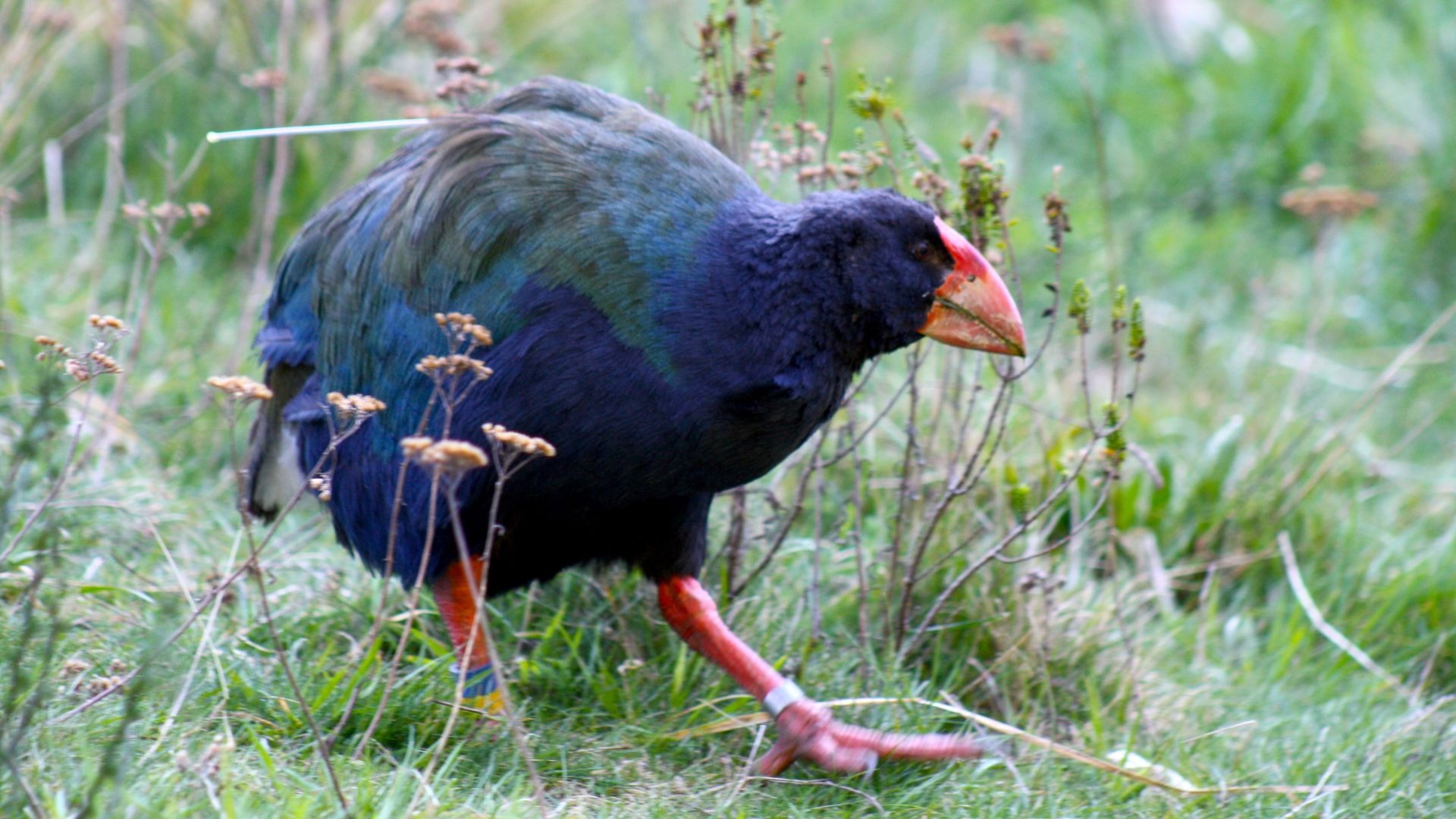
You don’t need to be an intrepid outdoors type to get close to New Zealand’s unique wildlife. Take a day trip from a major city to see everything from rare birds to marine life.
By Denise Stephens
On a day out in one of New Zealand’s major cities, you can see endangered birds such as the takahē, or marine species such as seals and sea lions, sometimes barely out of view of suburbia. Here are some of my favourite wildlife spotting trips close to town.
Walking the Kawarau track in Auckland
A ferry takes less than two hours from downtown Auckland to Tiritiri Matangi, passing through the scenic Hauraki Gulf on the way. The island is now a scientific reserve and wildlife sanctuary, but it was farmed for many years.
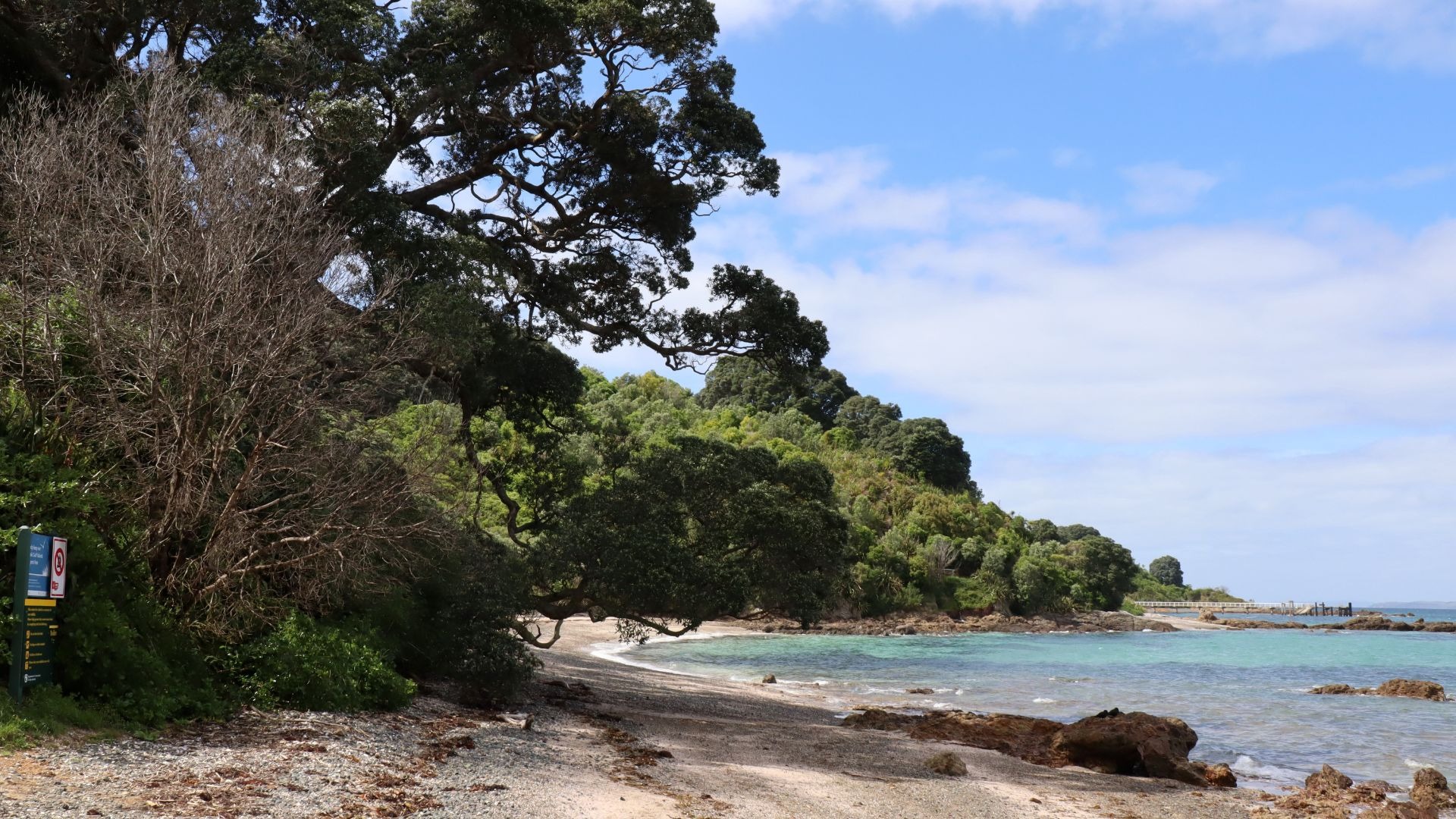
A few pockets of original bush remained and a planting program restored the bush on the rest of the island, creating an environment where endangered birds now thrive. I’d booked a walk led by a volunteer guide through one of the original areas of bush along the Kawarau track. We stopped to listen to the birds, with our guide identifying the sound of different species.
Tīeke were easy to see because of the deep orange feathers on their backs. Korimako and Pōpokotea were smaller but by keeping still, we could spot them darting through the trees. After nearly two hours, we’d seen about ten species in the wild.
The walk ended at the visitor centre where takahē, one of New Zealand’s rarest birds, may be seen around the lighthouse, although none were there the day I visited. Because there are no shops on the island, I’d brought lunch with me and ate this at a picnic table with a panoramic view over to the mainland.
Say hello to the hihi bird in Wellington
Predator-proof fences protect some of New Zealand’s rarest birds at Zealandia. This ecosanctuary in suburban Karori is out of sight of the city, but easily accessible by public bus.
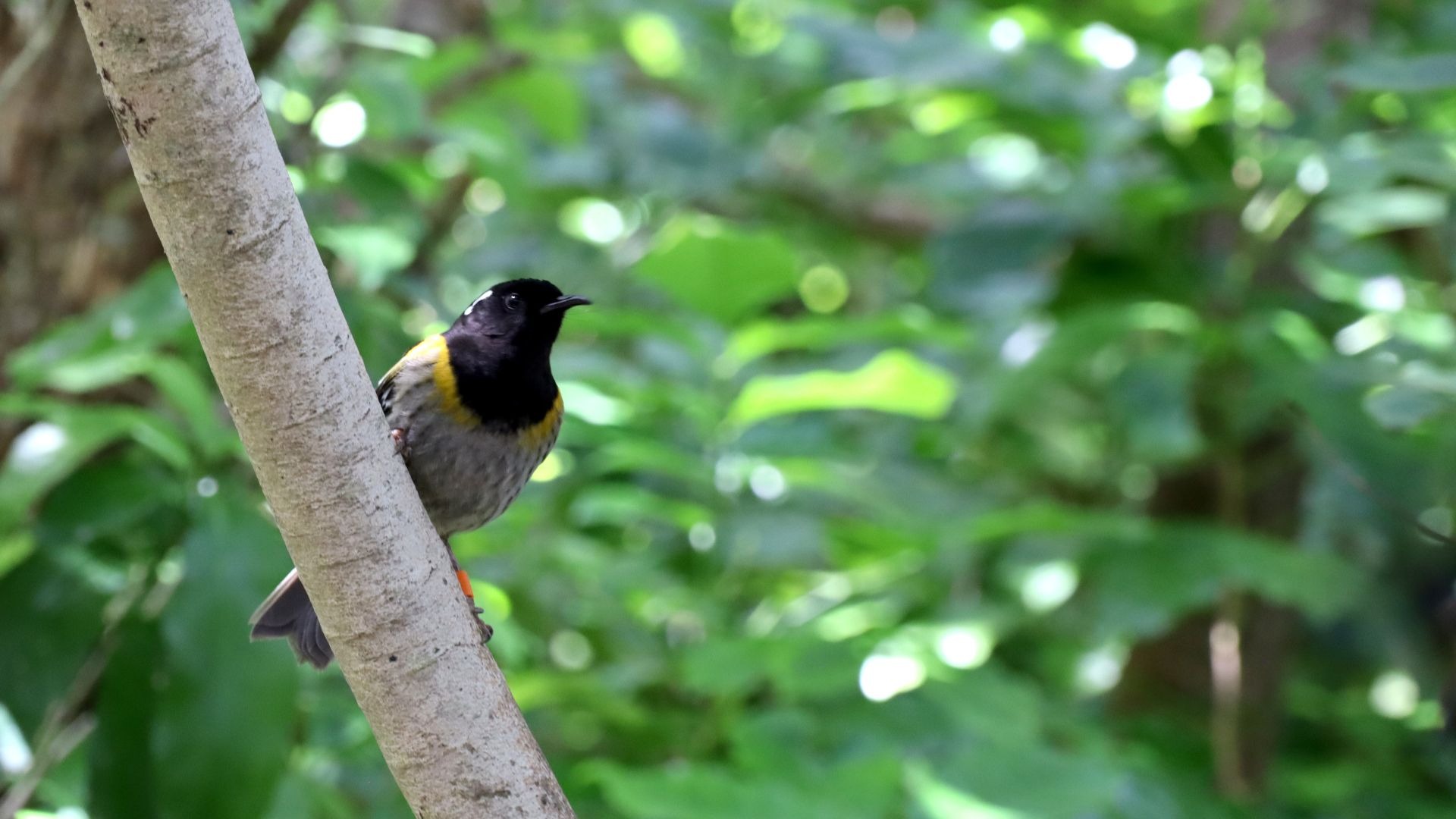
The best way to start your visit is at the visitor centre exhibition where photos of the wildlife and recordings of bird calls are a helpful guide. Some birds, such as the hihi, are easier to hear than to see as they flit through the bush, while others are easier to spot. Every time I’ve visited Zealandia, I’ve seen kākā, large, noisy parrots with orange feathers under their wings.
Takahē are usually found wandering around the open area by the lake, unconcerned by visitors. On one visit, a volunteer stationed by a sunny bank helpfully pointed out tuatara blending into their surroundings, the only time I’ve seen these rare lizards.
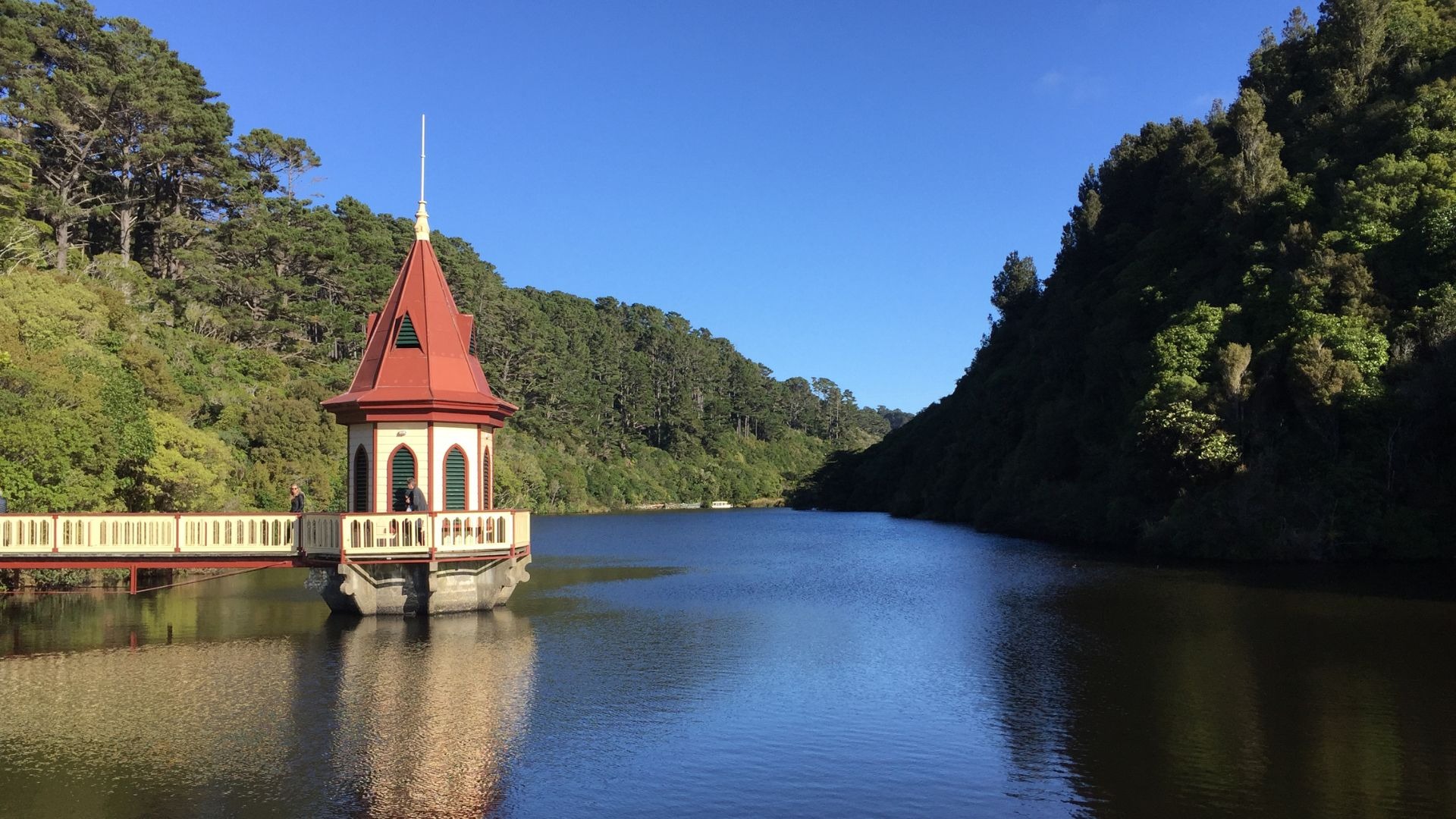
If you want help to identify wildlife, Zealandia runs tours during the day and also at night. There’s a good chance of spotting kiwi on the night tours, as they emerge to forage after dark. Otherwise, a half-day visit will allow you to see a good variety of wildlife, and keen walkers could spend the day there exploring the longer tracks. After several hours walking, a coffee at Zealandia’s Rata café is a welcome reviver.
Royal albatross encounter in Dunedin
The Otago Peninsula is home to seals, penguins, albatrosses and more. While it’s possible to drive out there, taking a tour can be helpful as the guides know where to find wildlife and sometimes have access across private land.
I took a Monarch Wildlife Cruise tour that included a cruise up the harbour and a land tour. After the boat left the wharf in downtown Dunedin, the crew distributed an information sheet showing the wildlife we might encounter. They scanned the sea and coast, easing closer when they spotted a sea lion basking on a sandy islet. Shortly after that, we witnessed a Buller’s albatross launching into flight from the water.
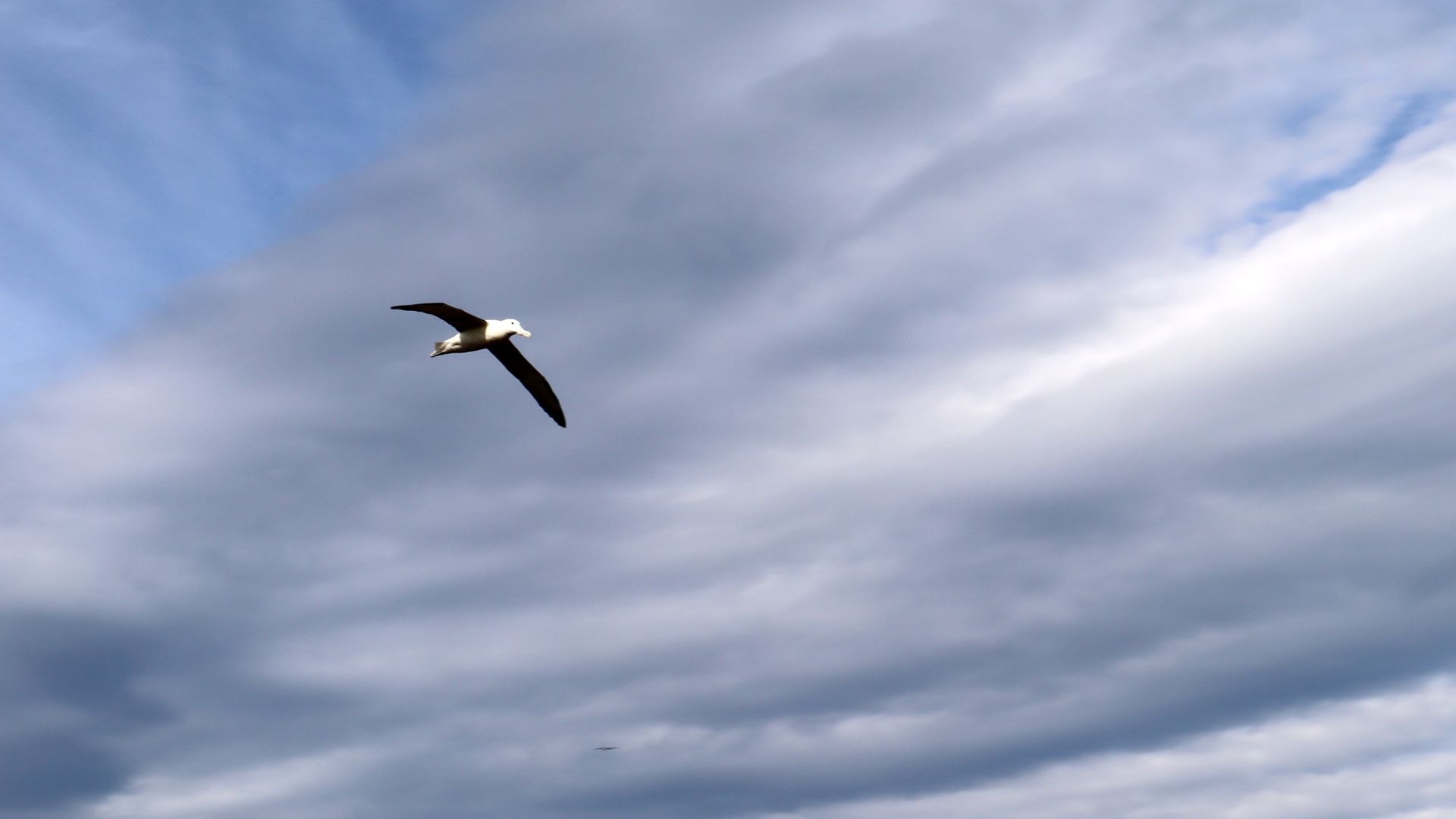
Chugging past Taiaroa Head, royal albatrosses soared from the cliffs above us while seals lay on the rocks. Back inside the harbour, the boat moored at a small wharf where a waiting minibus took us to the Royal Albatross Sanctuary.
Albatrosses wheeled overhead in an impressive display of aerobatics. We entered the observatory where wide windows overlooked the cliff-top nesting area that we’d seen earlier from the boat. Fluffy white royal albatross chicks lay there while their parents flew long distances in search of food.
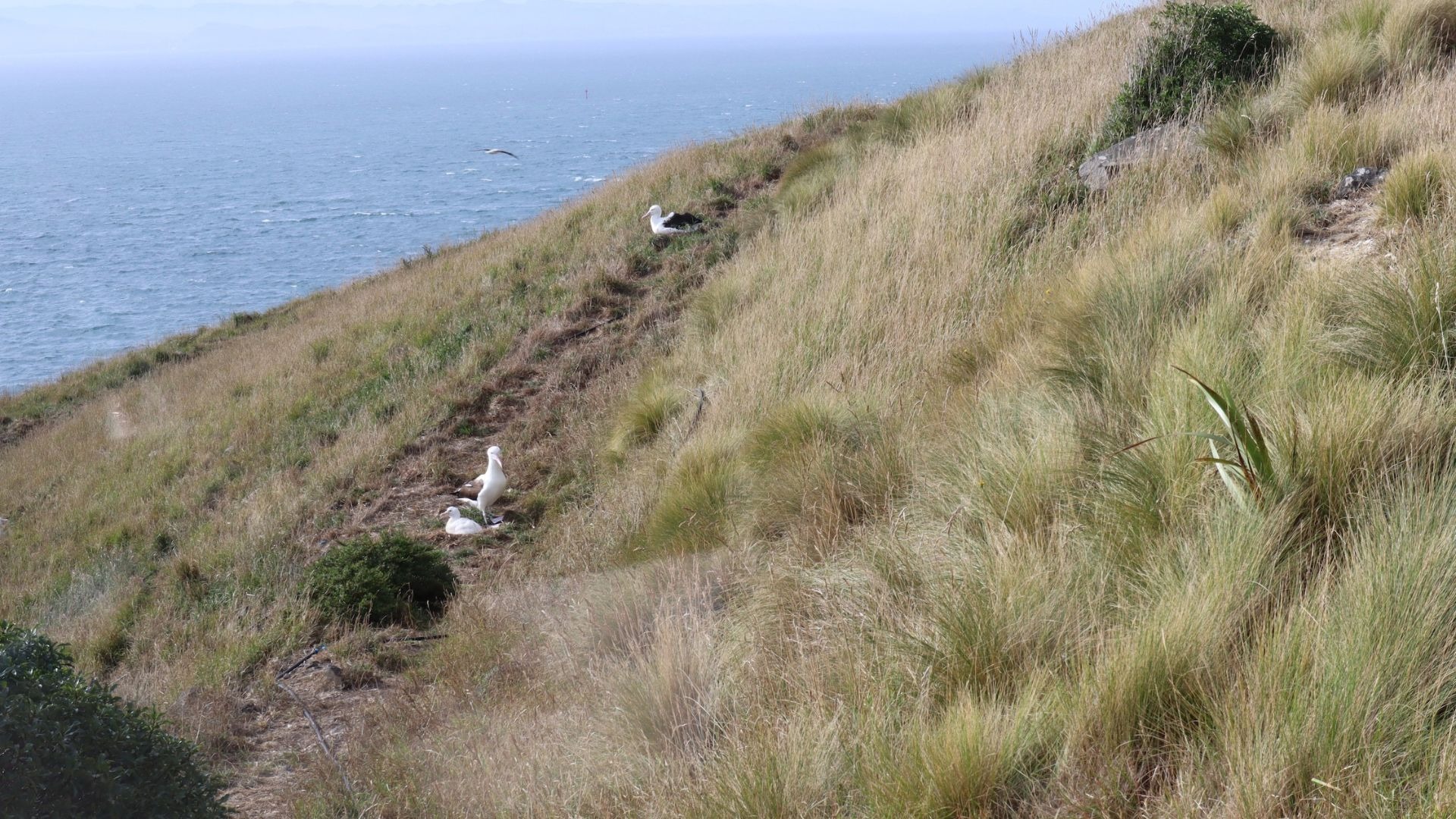
We headed back to Dunedin along a winding coastal road, having seen over half the species listed on the wildlife information sheet.
Articles we think you’ll like:
- 12 fantastic glamping experiences in Australia and NZ
- Spending more time outside is my secret wellness weapon
- Need to recharge? 7 great Aussie health and wellness retreats
Feature image: courtesy of Denise Stephens